Formula 1 returns to Circuit of The Americas on October 23-25, 2026, and the Better Business Bureau says Texans have already lost about $3 million to ticket scams this year, triple last year's total, so here is how to buy a real ticket, book a real place to stay, and keep your home network safe if you are hosting race fans.
Race week is the biggest weekend on Austin's calendar, and it brings a second crowd nobody cheers for: the people selling tickets they do not have and rentals they do not own. We fix the aftermath of these scams on people's phones and laptops every fall, and the pattern is the same every year. The good news is that each one has a tell you can spot in under a minute.
The ticket scam season is already open
On September 28, KSAT reported that the Better Business Bureau has logged roughly $3 million in ticket-scam losses from Texans in 2026, about three times what was lost in all of 2025. The BBB Heart of Texas, which covers Austin, told CBS Austin that fake and misleading listings "happen more commonly than you think." The MSC Cruises United States Grand Prix is the largest single ticketed event in the region, with Grand Prix View on Thursday, October 22 and the race Sunday, October 25, so it is the natural target.
Three versions show up every year:
- The screenshot ticket. One real ticket is screenshotted and sold to five people on Facebook Marketplace, X, or a group chat. Only the first person through the gate gets in, if anyone does. COTA's ticketing rules say grandstand and hospitality tickets are mobile only and that screenshots of mobile tickets are not accepted, so a screenshot is worthless even when it is real. Barcodes in the official ticketing app appear roughly 48 hours before the event, which is exactly when a buyer can no longer get their money back.
- The look-alike site. A search ad or a sponsored post points to a domain with "cota" or "usgp" in the name that is not the circuit's own. It takes your card, sends a PDF, and the PDF is not a ticket.
- The urgent seller. "Someone else is asking, send the Zelle now and I'll transfer." Zelle, Venmo friends-and-family, Cash App, gift cards and crypto are the payment methods scammers want because they cannot be reversed.
How to buy a ticket you can actually use
- Start at the circuit's official ticketing site or the official F1 ticket store, or a resale listing reached from inside that site. If the event is sold out there, use the resale marketplace that the venue names, not one a stranger names.
- Pay with a credit card. A credit card dispute is the one remedy that reliably works; a bank transfer is gone the moment it clears.
- Insist on a transfer inside the official ticketing app, to your own account, before any money moves. A real seller can do this. A scammer will have a reason they cannot.
- Read the address bar. Look for the venue's real domain before the first slash, not just the padlock. A padlock only means the connection is encrypted, and scam sites have them too.
- If the price is far below face value on a sold-out day, that is the tell, not the deal.
Rental scams: the copied listing
The second wave hits people coming into town. A scammer copies the photos and text of a real listing, posts it on another site or in a social group at a lower rate, and asks for the deposit off the platform, usually by Zelle or wire, "to avoid the fees." The guest arrives at a house that belongs to someone else.
Austin gives you a tool for this one. Since July 1, 2026, the city's short-term rental rules require platforms such as Airbnb and Vrbo to show a city license number in every Austin listing. A listing with no license number, or a host who wants to take the conversation and the payment off the platform, is a listing to walk away from. Rental analysts expect race-weekend revenue to run about 20% above last year, so the fakes have every incentive to show up. Keep every message and every dollar inside the platform; the moment a "host" asks you to leave it, you have your answer.
Hosting race fans? Lock down the house first
Thousands of Austin households rent a room or the whole place this weekend, or put up friends from out of town. Guests get your Wi-Fi password, your smart lock code and your TV. Ten minutes of setup keeps that from becoming a problem in November.
Give guests their own network
Every modern router can run a guest network. Turn it on, give it its own password, and hand out that one. Guests get fast internet; they do not get to see your computers, your printer, your backup drive or your cameras. If your router app has a "block local access" or "isolate clients" switch for the guest network, turn it on. Print the guest network name and password on a card for the kitchen counter so nobody is tempted to share the main one. If you have never set this up, our home network and Wi-Fi service does it on site, including a proper guest network for hosts.
Change the codes, then change them back
Smart locks and garage keypads should get a temporary code that expires when the guest leaves. Most lock apps can schedule one for exactly the stay. Do not reuse the code you gave the last guest, and do not give out the master code. Same for the gate and the alarm panel.
Decide what the cameras do
Cameras inside the living space should be off while guests are there; the rental platforms require disclosure of outdoor ones, and guests will look. Switch indoor cameras off in the app rather than unplugging them, so they come back cleanly, and check that the doorbell camera is still recording.
Sign out of the TV
Streaming apps on the living room TV are signed in to your accounts, and a guest who orders a movie or changes the profile is a small nuisance compared with the guest who finds your saved payment method. Sign out, or set a PIN on purchases and on the adult profiles. Smart speakers that can order things should have purchase confirmation turned on.
Change the router's own password
Not the Wi-Fi password, the one that opens the router's settings page. If it is still "admin" or the one printed on the sticker, anyone on your network can change your DNS and send your bank login somewhere else. Set a long one, and update the router's firmware while you are in there.
If you are going to the track
Load your tickets into the official app and your phone wallet the day before, not in the parking lot, because the cell network near the circuit is slow for 100,000 people at once. Carry a charged battery pack. Turn on "send as text message" so a plain SMS still gets through when data will not, and agree a meeting spot with your group before you walk in. COTA is a cashless venue, so a card in the wallet app or in your pocket is the only money that works.
If you already paid a scammer
Move fast. Call the card issuer and dispute the charge the same day. If you paid with Zelle or a bank transfer, call the bank anyway; a quick report sometimes catches a transfer before it settles. Report the listing to the platform so it comes down, file it at the BBB Scam Tracker and at the FBI's IC3.gov, and tell Austin police through 311. Then change the password on any account you logged into during the purchase, especially if the "ticket site" asked you to create one.
A fake ticket costs money. A guest on your main network, or a scammer with your router's password, can cost a great deal more, and the fix is cheap when it happens before the weekend. Our cybersecurity and scam protection visit covers the router, the accounts and the devices in one appointment, and you can book a visit before the first practice session on Friday. Questions first? Contact us or call 512.554.4790.
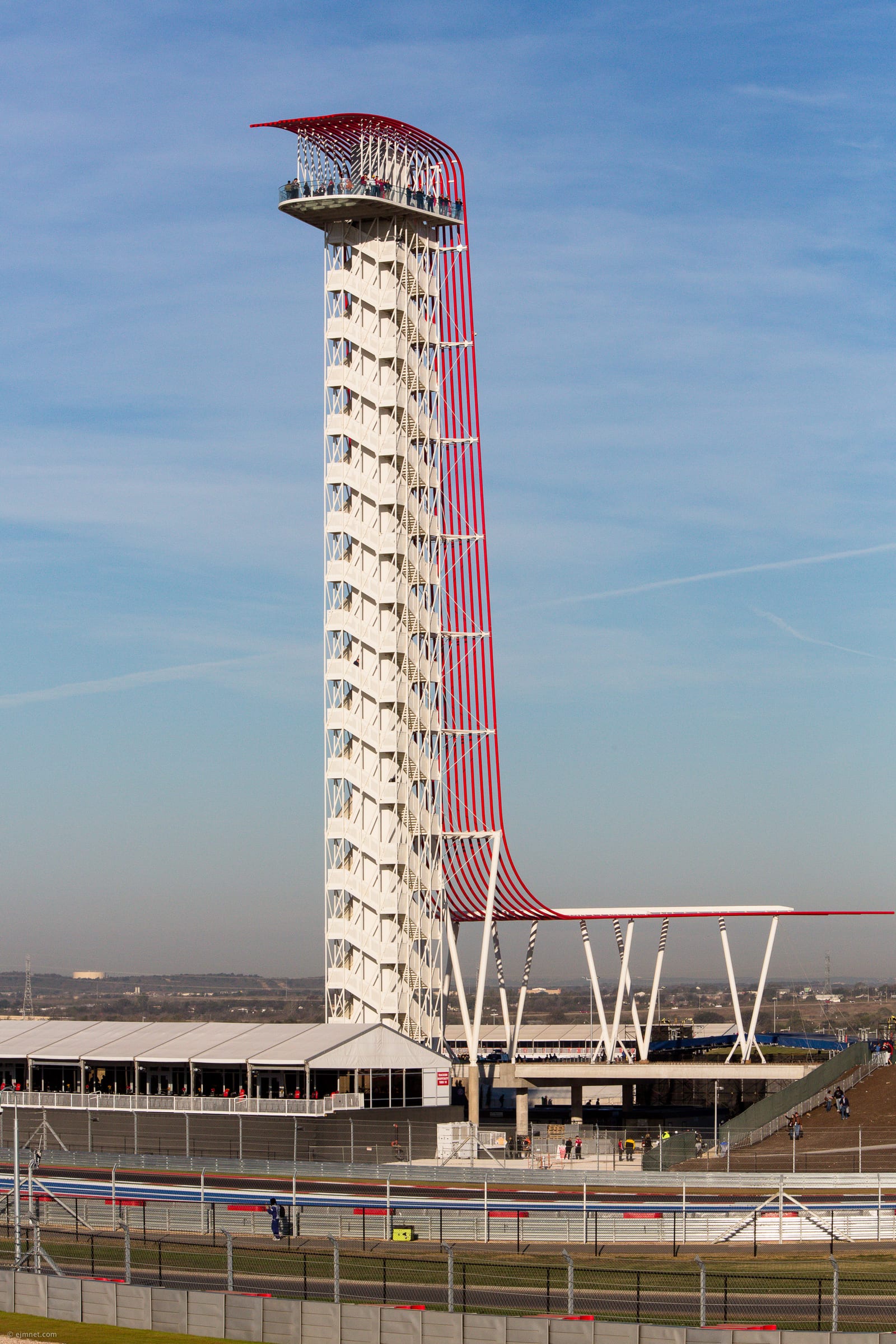
Photo: Earl McGehee via Wikimedia Commons (CC BY-SA 3.0)