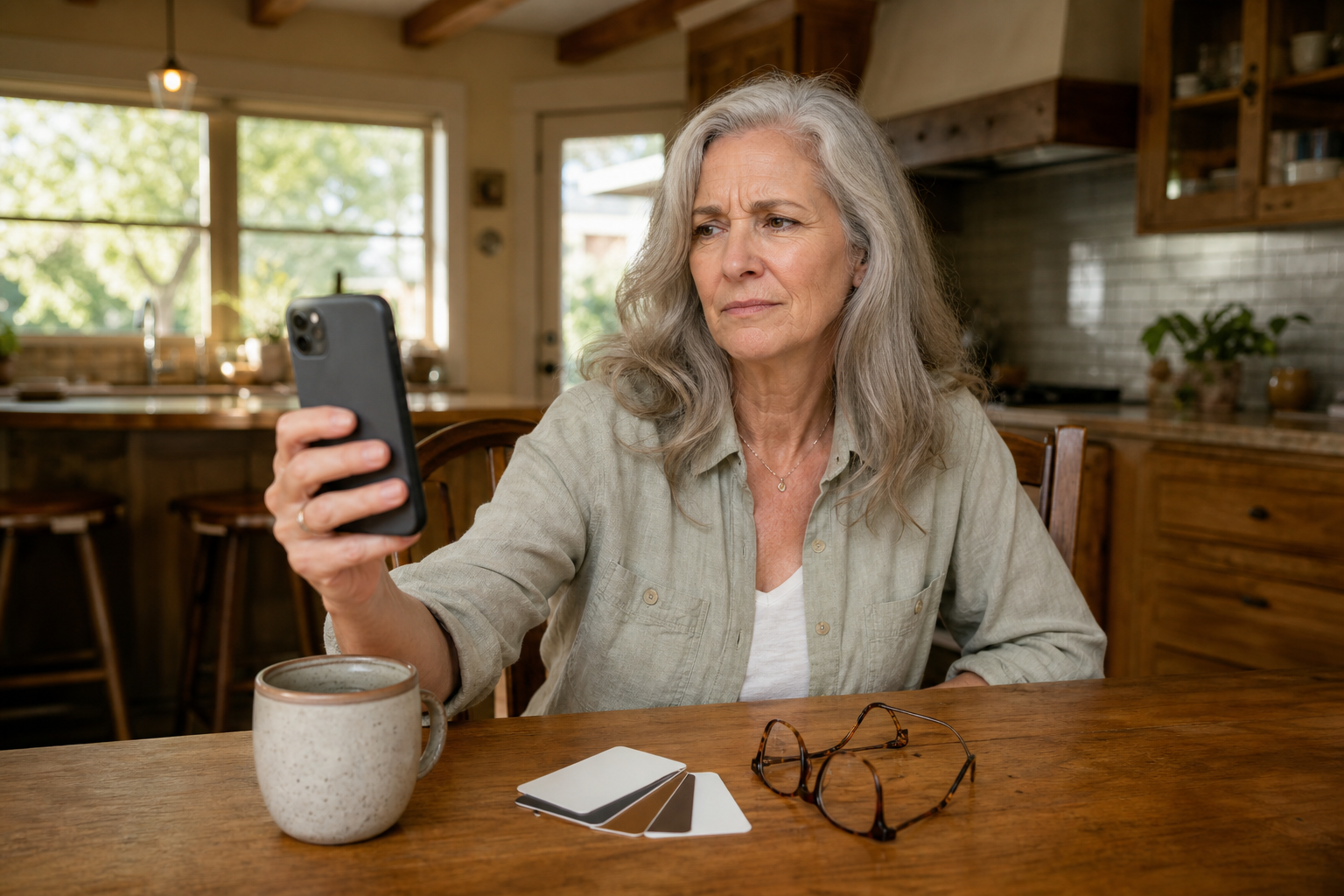
Kyle PD launched a scam awareness campaign on June 10 after a wave of gift card and crypto scam calls across Central Texas. Here is how Austin families can shut these calls down before they cost real money.
I run a tech support company here in Austin, and in the past year the calls we get about viruses have been overtaken by a different kind of emergency: a parent or neighbor on the phone with a stranger who is walking them to the gift card rack at the H-E-B on William Cannon or the CVS in Kyle. This week that problem got an official spotlight. On June 10, FOX 7 Austin reported that the Kyle Police Department launched a new awareness campaign after a string of incidents in Kyle and across Central Texas, with detectives working cases where callers posed as a government agency, a bank, a law enforcement officer, or a panicked family member, then demanded immediate payment in gift cards or cryptocurrency.
Kyle PD is doing in-person education for local organizations and pushing scam alerts on social media, which tells you how common these cases have become. And it is not just Kyle. Austin Energy says utility customers across the area are targeted every day by impostors threatening to cut power unless a bill is paid right now with a prepaid card or a payment app. The Austin Municipal Court has warned that scammers are spoofing its real phone number to demand fake warrant fees. TxDOT keeps repeating that it never requests TxTag payments by text, yet those fake toll texts keep landing on Austin phones.
How gift card and crypto scam calls in Austin actually work
Every one of these calls runs on the same engine: urgency plus isolation. The details change, but the script barely does.
- The hook. The caller claims to be someone with power over you: the Social Security Administration, your bank's fraud department, a Travis or Hays County deputy with a warrant, Austin Energy about a shutoff, or a grandchild in jail after a wreck. Caller ID often shows a real local number, because spoofing a number costs scammers nothing.
- The clock. Whatever the story, there is a deadline measured in minutes. Your power gets cut at noon. The arrest happens today. The fraudulent charge posts in an hour. Real agencies send letters and give you time. Scammers cannot afford to.
- The isolation. They tell you to stay on the line, not to hang up, and often not to tell the store clerk or your family what the money is for. Anyone keeping you on the phone while you drive to a store is stealing from you.
- The payment. Gift cards, crypto ATMs, wire transfers, or payment apps. The moment you read a gift card number over the phone or feed cash into a crypto kiosk, that money is gone. No government office, utility, court, or police department in Texas accepts Apple, Google Play, or Visa gift cards as payment for anything. That single fact defeats the entire script.
Red flags that should end the call immediately
- Any request for payment by gift card or cryptocurrency, for any reason, from anyone you did not call first.
- Pressure to act before you can hang up and verify. Legitimate organizations survive a callback.
- A caller who already has some of your personal information and uses it to sound official. Data breaches made that cheap.
- Instructions to lie to your bank teller or the cashier about why you are buying the cards.
- A "family member" whose voice sounds slightly off asking for bail or hospital money. Voice cloning from a few seconds of social media video is now a real tool in these scams.
The counter is simple: hang up, look up the organization's published number yourself, and call it directly. Austin Energy is 512-494-9400. If someone claims to be your bank, use the number on the back of your card. If it was supposedly the police, call the non-emergency line.
Five settings that stop most scam calls before they ring
These take about twenty minutes per phone, and they are the same changes we make when we do a scam protection setup in a client's home.
- Turn on carrier-level scam filtering. AT&T ActiveArmor, T-Mobile Scam Shield, and Verizon Call Filter are all free at the basic tier and block or label a large share of these calls at the network before your phone rings.
- Silence unknown callers. On iPhone: Settings, Phone, Silence Unknown Callers. On most Android phones: Phone app, Settings, Caller ID and spam, or Call Screen on Pixels. Real callers leave a voicemail; scam dialers almost never do.
- Set a family code word. Agree on a word that any relative must say before anyone sends money in an emergency. This is the cheapest defense there is against voice cloning, and it works for kids and grandparents alike.
- Filter scam texts. On iPhone, turn on Filter Unknown Senders in Messages. On Android, enable spam protection in Google Messages. Forward toll and bank scam texts to 7726 so carriers can block the sender. Remember that legitimate TxTag texts come only from 22498, and TxDOT does not request payment by text at all.
- Lock down voicemail and accounts. Put a PIN on voicemail, turn on two-factor authentication for banking and email, and consider a credit freeze for older family members. Freezes are free at all three bureaus and take ten minutes each.
If the family member you worry about is not comfortable doing this alone, that is exactly what our tech tutoring visits are for: patient, in-home walkthroughs of these settings, with a written cheat sheet left on the fridge.
If money already left your hands
Speed matters more than embarrassment. These steps recover money in a minority of cases, but the odds drop to zero if you wait.
- Gift cards: call the card issuer's fraud line immediately (Apple, Google, Visa, and Target all have one), keep the cards and receipts, and ask them to freeze the balance.
- Bank, Zelle, or wire: call your bank's fraud department the same hour and ask for a recall.
- Crypto: report it fast to the FBI at ic3.gov. Recovery is rare, but reports are how task forces find kiosk operators.
- Report locally. In Kyle, call KPD at 512-268-3232. In Austin, call 311 or use the Austin Police Department's online reporting. Then file with the FTC at reportfraud.ftc.gov. Reports are what fund campaigns like the one Kyle just launched.
- If you read codes to a scammer from a computer screen, or installed anything at their direction, get the machine checked. Remote access tools left behind are how one scam becomes three.
A local note
We are based in Austin and we see the aftermath of these calls in living rooms from Buda to Round Rock: drained gift cards on the kitchen table, a remote access app still running on a laptop, a parent who feels ashamed when they should not. The people running these scams are professionals reading a script at scale. Getting targeted is not a judgment of anyone's intelligence.
If you want a second set of eyes on a household's phones, accounts, and computers before the next call comes, we do this every week. Book a visit or reach out and we will get it locked down properly. And pass Kyle PD's warning along to one neighbor this week; that is how this campaign actually works.